
C3 Technologies & Sustainability
Energy Efficiency Tips
Upgrade to Energy-Efficient Lighting
Replace incandescent and halogen bulbs with LED or CFL lighting, which use up to 75% less energy.
Install motion sensors or timers in areas like bathrooms, storerooms, and hallways to ensure lights are off when not in use.
Conduct Regular Energy Audits
Assess your energy usage to identify inefficiencies.
Many utilities offer free energy audits or rebates for implementing recommended upgrades.
Optimize HVAC Systems
Schedule regular maintenance for heating, ventilation, and air conditioning (HVAC) systems.
Install programmable thermostats and set them to reduce heating/cooling during non-business hours.
Seal ducts and ensure windows/doors are properly insulated to prevent air leaks.
Use Smart Power Strips
Replace standard power strips with smart power strips to eliminate phantom energy use from idle electronics.
Embrace Natural Lighting
Use daylight harvesting systems or simple design changes like clear windows to reduce reliance on artificial lighting.
Rearrange workspaces to maximize exposure to natural light.
Install Energy Management Systems (EMS)
Monitor and control energy consumption in real-time.
An EMS can automatically adjust energy usage based on your operational needs.
Upgrade Office Equipment
Switch to Energy Star-certified appliances and office equipment.
Ensure computers, printers, and other devices are set to power-saving modes or shut down after work hours.
Improve Building Insulation
Insulate walls, ceilings, and floors to maintain indoor temperatures efficiently.
Use energy-efficient windows or apply low-emissivity (Low-E) window coatings to reduce heat transfer.
Install Renewable Energy Solutions
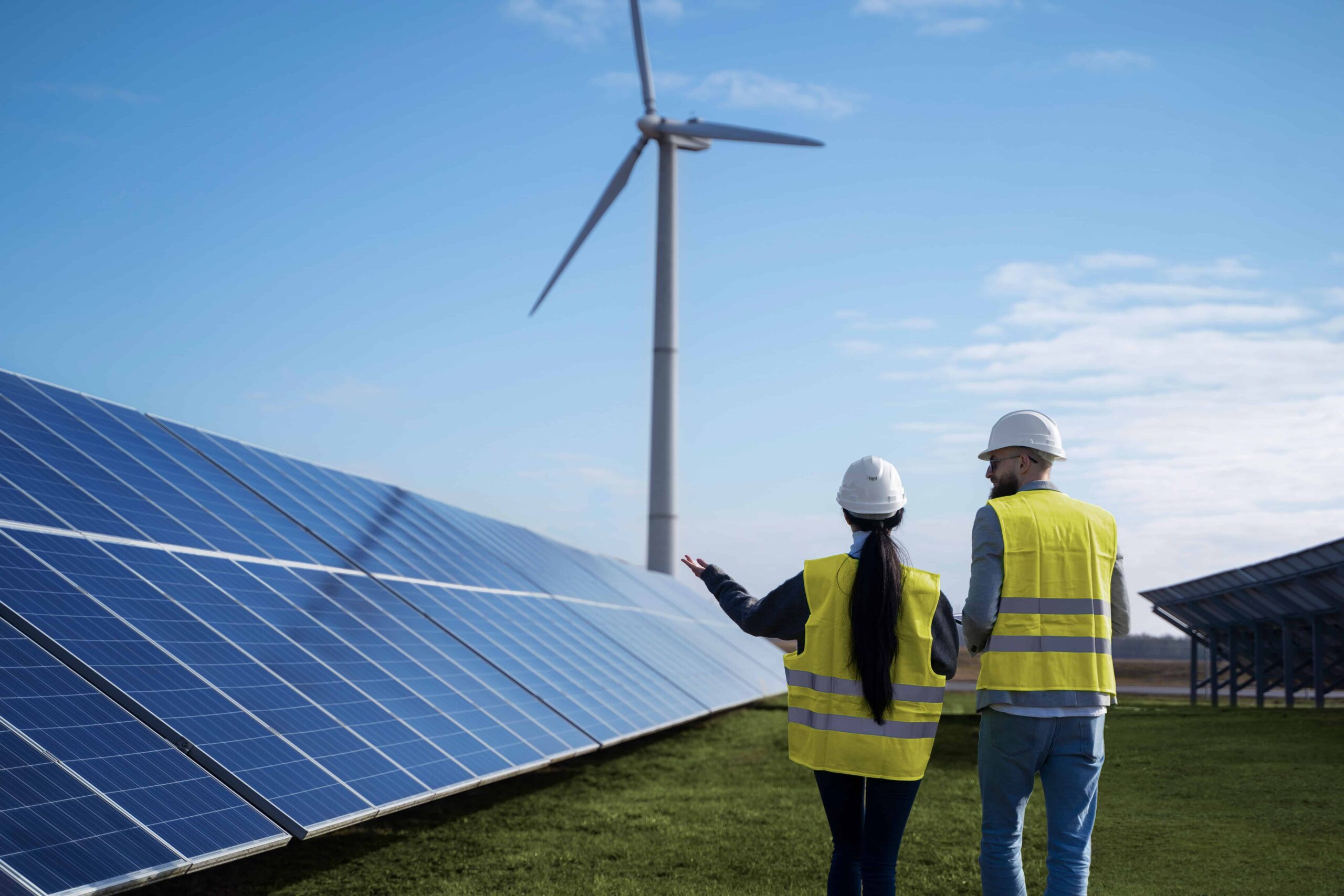
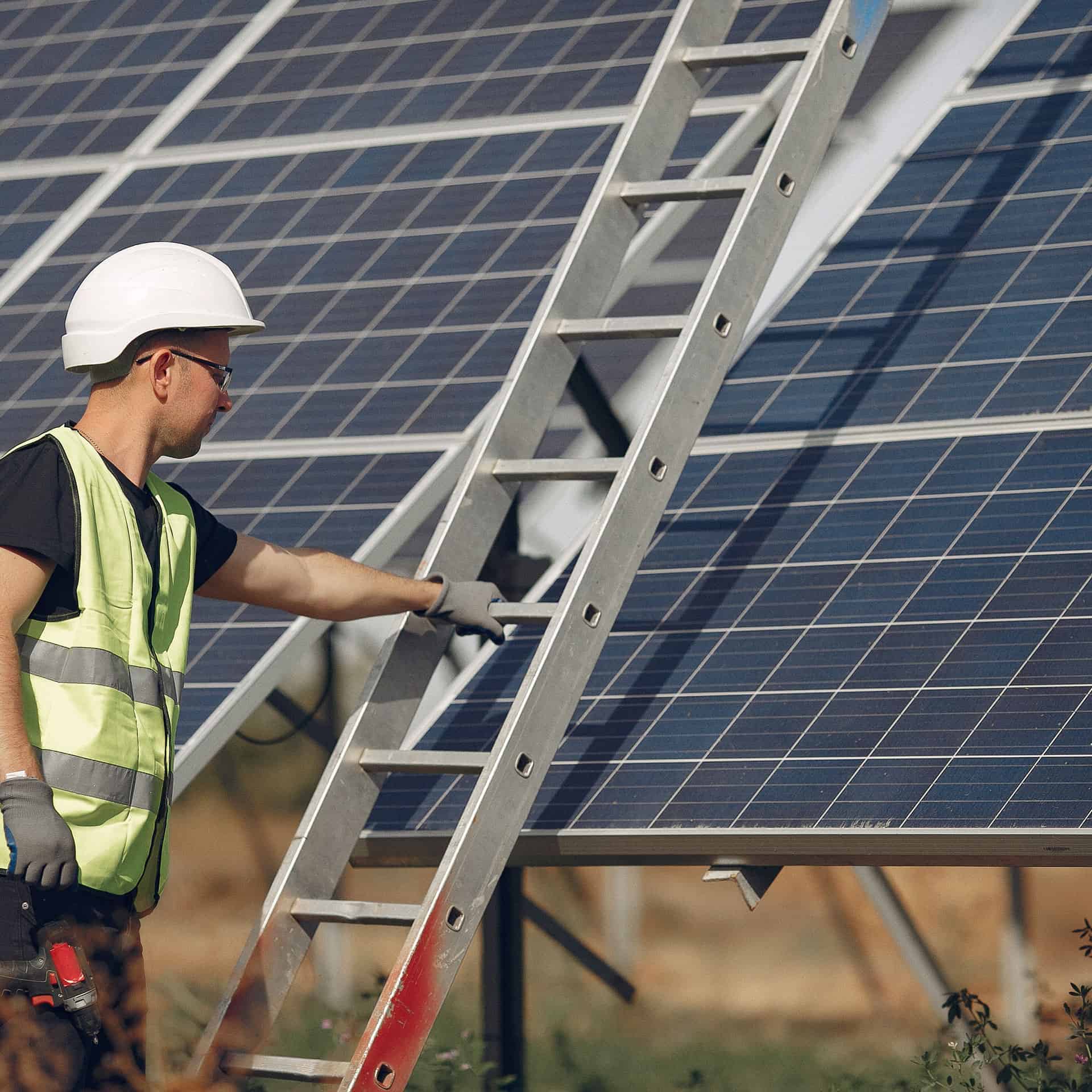
Integrate solar panels or wind turbines to produce on-site renewable energy.
Pair with battery storage systems to save excess energy for peak periods.
Incentives
Check for local, state, or federal tax credits and incentives for energy efficiency upgrades or renewable energy installations.